
Epi-LASIK in Singapore
Epi-LASIK is a surface-based laser vision correction procedure offered in Singapore for the correction of myopia (short-sightedness) and astigmatism. The procedure reshapes the cornea without creating a corneal flap, which may make it appropriate for patients with thinner corneas or specific lifestyle considerations.
At LSC Eye Clinic, Epi-LASIK is performed by specialists with subspecialty training in laser vision correction.
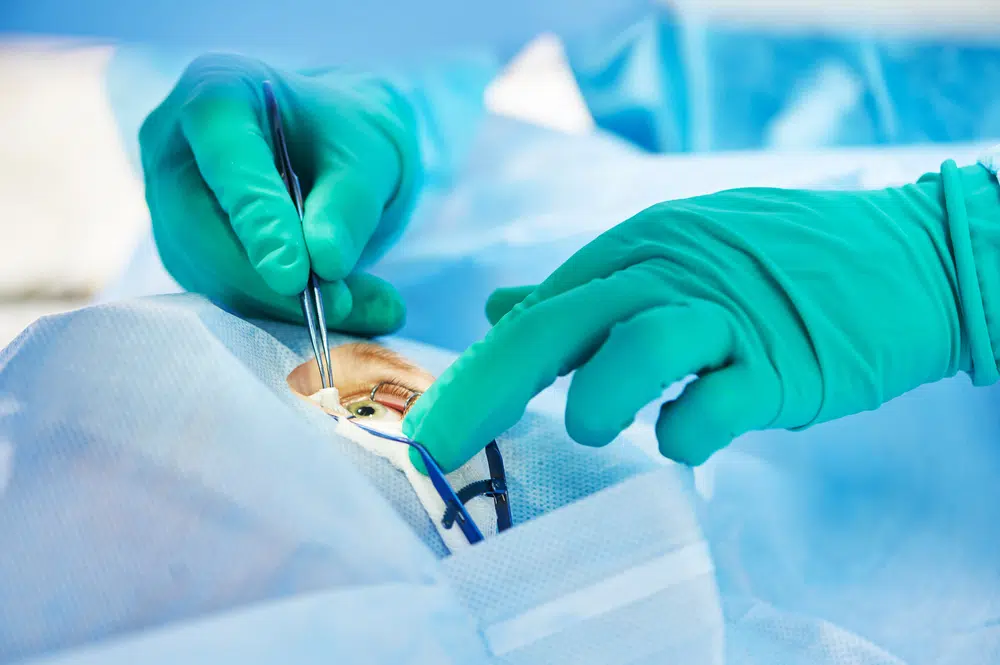

What is Epi-LASIK?
Epi-LASIK is a form of surface ablation laser vision correction. The procedure reshapes the corneal surface to correct refractive errors such as myopia and astigmatism, without creating a hinged flap in the cornea.
A blunt instrument called an epithelial separator gently lifts the thin outer layer of the cornea (the epithelium) before the underlying tissue is reshaped by an excimer laser. The epithelium regenerates naturally over the following days.
Comparing Epi-LASIK and LASIK
Epi-LASIK and LASIK are both laser vision correction procedures that treat myopia and astigmatism. They differ in how the cornea is accessed during treatment, which can affect suitability, recovery, and the post-operative experience.
| Dimension | Epi-LASIK | LASIK |
| Corneal access | Flap-free surface technique | Hinged corneal flap is created |
| Treatable refractive errors | Myopia and astigmatism | Myopia, hyperopia, astigmatism |
| Corneal thickness needed | Typically suitable for some thinner corneas | Requires greater corneal thickness |
| Visual recovery speed | Gradual over several days to months | Typically faster, within 24 to 48 hours |
| Flap-related concerns | None, since no flap is created | Flap healing and rare flap complications |
| Lifestyle considerations | May suit contact sports or impact-risk occupations | Flap-related concerns may apply for high-impact activity |
The right procedure for you is determined by the suitability assessment, which evaluates corneal thickness, prescription stability, and lifestyle factors alongside the clinical findings.
Who Is Suitable for Epi-LASIK?
Suitability for Epi-LASIK depends on a clinical assessment. Not every patient with myopia or astigmatism is appropriate for surface ablation, and the procedure may suit some patients where flap-based LASIK is not advised.
Candidates are typically:
- Adults with a stable prescription for at least one year
- Patients with thinner corneas where LASIK may not be suitable
- Patients with healthy eyes and ocular surface
- Patients who prefer a flap-free option for occupational or lifestyle reasons
The assessment evaluates corneal thickness, prescription stability, ocular surface health, and pupil characteristics to confirm whether Epi-LASIK is the appropriate option for your eyes.
Epi-LASIK Procedure: How It Works
What to Expect on Surgery Day
| 01. Arrival and Registration | 02. Pre-Operative Checks | 03. The Procedure | 04. After the Procedure |
| Arrive at LSC Eye Clinic around 30 to 60 minutes before the procedure to complete registration. Final consent is reviewed, and our team takes you through what to expect during and immediately after the procedure. | Our team confirms your prescription and reviews the surgical plan. Anaesthetic and lubricating drops are administered. The eyes are gently cleaned and a sterile drape is positioned around the surgical area. | You lie comfortably under the laser. Treatment for both eyes is usually completed within 15 to 20 minutes. You may feel mild pressure and notice variations in light during the procedure. | A brief rest period in the clinic follows. Our team reviews your post-operative medication schedule, fits protective eyewear, and confirms your follow-up appointments before you are discharged. Patients are advised to arrange transport home. |
Benefits of Epi-LASIK
Epi-LASIK offers benefits that may suit specific clinical profiles, particularly patients with thinner corneas or those who prefer to avoid a corneal flap. Outcomes vary between individuals, and recovery is generally longer than with LASIK.
Key benefits include:
- Flap-free corneal treatment
- Preservation of the cornea’s structural integrity
- An option for some patients with thinner corneas
- Reduced concern about flap displacement after high-impact activity
The clinical assessment determines whether these benefits are relevant to your eyes.
Risks and Side Effects of Epi-LASIK
Most patients experience short-term effects during the first few days to weeks as the epithelium heals. These tend to resolve as the corneal surface regenerates.
Common short-term effects include:
- Discomfort or a foreign body sensation
- Light sensitivity
- Excessive tearing or watery eyes
- Blurry or fluctuating vision
More serious complications such as infection, delayed epithelial healing, or significant corneal haze are uncommon but should be discussed during the suitability assessment. Post-operative care and prescribed medication help reduce these risks.
Recovery and Aftercare
Recovery from Epi-LASIK takes longer than recovery from LASIK because the epithelium must regenerate over several days to weeks. Most patients notice gradual improvement in vision over the first one to two weeks, with continued refinement over the following months.
The First Few Days
Discomfort, watery eyes, and light sensitivity are common in the first 24 to 72 hours. Patients are advised to rest the eyes, avoid screen use where possible, and instil prescribed medication as directed.
The Bandage Lens Period
A soft bandage contact lens is typically worn for three to five days. The lens is removed at a clinic visit once the epithelium has sufficiently healed. Eye drops continue throughout this period.
Practical Advice for Healing
Avoid swimming, contact sports, and dusty environments for at least one month. Sunglasses are recommended outdoors. Screen use can be gradually resumed as vision stabilises, with regular breaks to reduce strain
Vision Results and Long-Term Expectations
| 01. First Week | 02. First Month | 03. Three to Six Months | 04. Beyond Six Months |
| Vision is usually blurry and fluctuating in the first few days. Most patients can resume non-strenuous activities within a week, though clarity continues to develop. Light sensitivity often persists during this period. | Vision steadily improves over the following weeks. Many patients reach functional visual acuity for daily activities by the end of the first month. Some fluctuation in clarity is still common at this stage. | Most patients reach their stable refractive result between three and six months. Residual corneal haze, if present, typically continues to clear during this period. | The corneal surface has typically stabilised. Vision continues to refine in some patients. Long-term outcomes depend on the eye’s natural ageing and overall ocular health. |
Why Patients Trust Our Eye Surgeons
LSC Eye Clinic’s refractive surgery team comprises Senior Consultant Ophthalmologists with subspecialty training in laser vision correction, supported by clinical optometrists, experienced laser technicians and professional nurses. The clinical approach centres on careful suitability assessment, transparent discussion of options, and structured follow-up care.
The team’s approach to Epi-LASIK includes:
- Detailed pre-operative explanation of suitability and alternative procedures
- Continuity of care from assessment through to follow-up visits
- Specialist credentials in refractive surgery and lens implant surgery
- Direct access to a clinical team for post-operative queries
Payment Options
We Accept Cash, Nets, and Major Credit Cards:

Interest-Free Instalment Plans
Available with UOB, OCBC, DBS, and POSB bank credit cards.

MediSave
All refractive eye procedures are not MediSave claimable.

Insurance
We are on the specialist panels of various Insurance Plans:

Why Choose LSC Eye Clinic for Epi-LASIK

SPECIALIST-LED REFRACTIVE SURGERY CARE
Epi-LASIK is performed by Senior Consultant Ophthalmologists, ensuring patients are assessed and treated by experienced clinicians.
90,000+ EYES TREATED SINCE 2005
LSC Eye Clinic has treated more than 90,000 eyes with refractive surgery since 2005, giving patients procedural depth and consistency.
SATURDAY AND SAME-DAY SURGERY OPTIONS
Patients can schedule surgery on Saturdays or, where suitable, on the same day as the assessment, supporting busy schedules.
CENTRAL ORCHARD ROAD LOCATION
The clinic at Paragon Medical on Orchard Road offers central access for patients attending assessment and follow-up visits.
Suitability and outcomes vary for every individual. A clinical assessment determines whether Epi-LASIK is appropriate for your eyes.
Frequently Asked Questions About Epi-LASIK
LASIK creates a hinged corneal flap to access the underlying tissue, then repositions the flap to heal. Epi-LASIK does not create a flap. Instead, the thin outer epithelium is removed and the cornea is reshaped on the surface.
Surface ablation may be preferred when corneas are thinner than ideal for LASIK, when a lifestyle involves contact sports or impact risk, or where flap-related concerns make a surface technique more appropriate for your eyes.
Epi-LASIK may suit patients with active or contact-sport lifestyles since no corneal flap is created. The procedure removes a key flap-related concern, although other suitability factors are still assessed before the procedure is offered.
The first 24 to 72 hours after Epi-LASIK tend to be more uncomfortable than after LASIK. Patients may experience tearing, light sensitivity, and a foreign body sensation while the epithelium heals over the corneal surface.
Patients may experience tearing, light sensitivity, and a foreign body sensation accompanied with blurry vision immediately after the procedure. During this time, you should not drive. Patients are advised to arrange a companion or transport home, and to avoid work or strenuous activity for the rest of the day.
Brief screen use can usually be resumed once vision is comfortable, often within several days. Extended work involving sustained reading or detailed visual tasks may take one to two weeks to feel comfortable again.
Ortho-K lenses temporarily reshape the cornea. You will be asked to stop wearing them well before the assessment, often for several weeks, so that the cornea returns to its baseline shape for accurate measurements.
Epi-LASIK reshapes the cornea but does not affect the eye's natural lens. Cataract surgery remains an option later in life. Prior refractive surgery is factored into intraocular lens calculations during cataract surgical planning.
Epi-LASIK is generally performed in individuals from 18 years onwards once prescription stability has been confirmed. There is no fixed upper age limit, although older patients may be reviewed for early lens changes or other ocular considerations.
Soft contact lenses should be discontinued for at least three days before the assessment. Rigid gas permeable lenses, or hard contact lenses, should be paused for longer, since contact lens wear can temporarily alter corneal shape.
Other Eye Services

Assessment and treatment of dry, gritty, or irritated eyes to improve daily comfort.

Diagnosis and treatment of eye infections, such as conjunctivitis, to relieve symptoms and protect vision.