
TransPRK in Singapore
TransPRK is a flapless laser vision correction procedure used to treat myopia, hyperopia, and astigmatism. The procedure reshapes the corneal surface in a single continuous step using an excimer laser, without the creation of a corneal flap and without manual removal of the epithelium (the outer layer of the cornea).
At LSC Eye Clinic, TransPRK is performed by specialists with subspecialty training in laser vision correction.
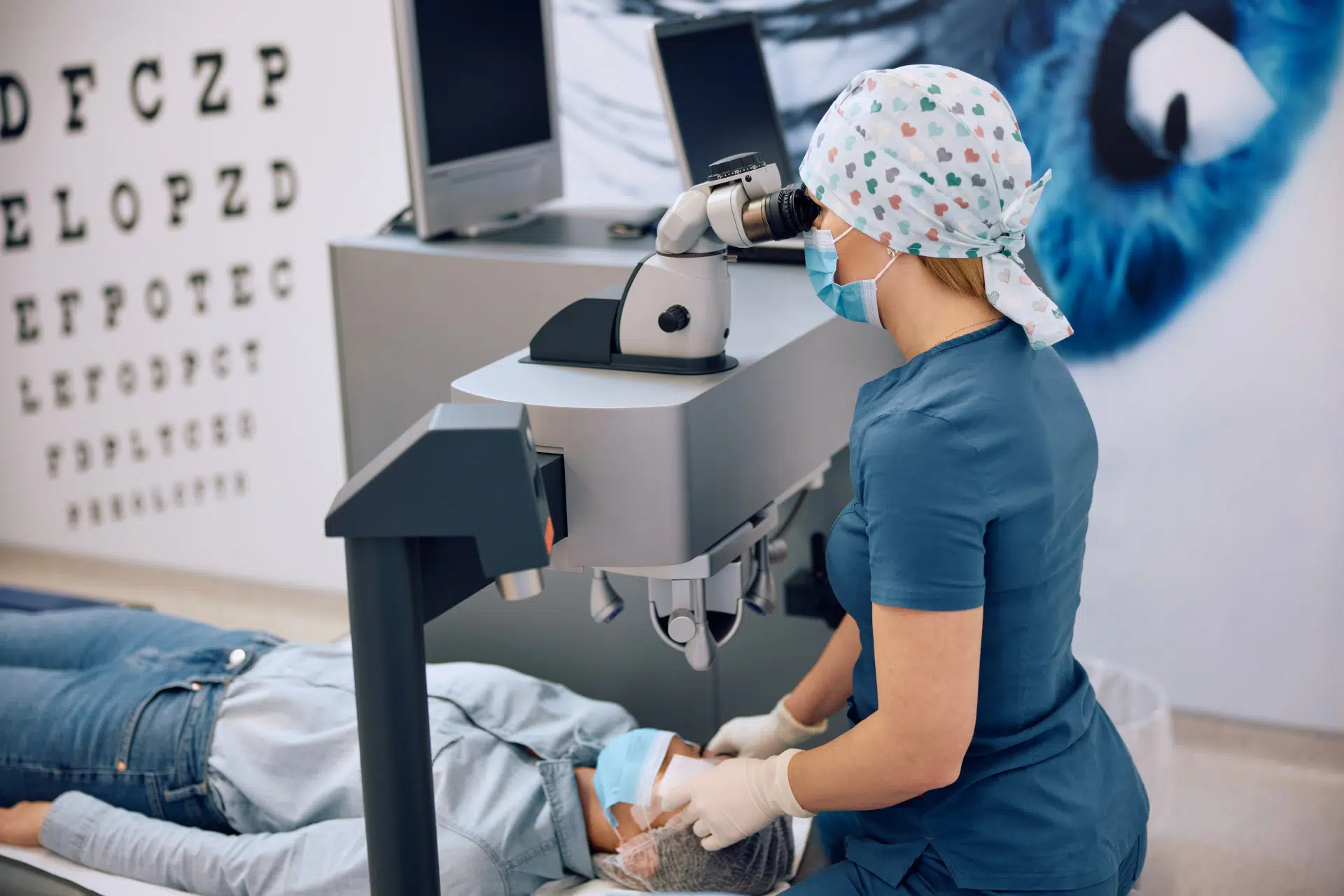

What is TransPRK?
TransPRK is a surface-based laser vision correction procedure that reshapes the cornea to correct refractive error. The procedure is performed entirely on the corneal surface, without lifting a flap and without instruments touching the eye during treatment.
Unlike LASIK, which involves the creation of a hinged corneal flap to access the underlying tissue for reshaping, TransPRK works on the corneal surface directly. An excimer laser removes the corneal epithelium and reshapes the underlying tissue in a single continuous step, without manual scraping or the use of alcohol.
TransPRK vs LASIK
Both TransPRK and LASIK procedures in Singapore reshape the cornea using an excimer laser, although they differ in how the cornea is accessed and how the eye heals after surgery.
| TransPRK | LASIK | |
| Corneal flap | No flap is created. The procedure is performed on the corneal surface. | A hinged corneal flap is created and lifted to access the underlying tissue. |
| Conditions treated | Myopia (short-sightedness), hyperopia (long-sightedness), and astigmatism. | Myopia, hyperopia, and astigmatism. |
| Corneal thickness requirement | Preserves more anterior corneal tissue, which can suit patients with thinner corneas. | Requires sufficient corneal thickness to safely create and reposition the flap. |
| Recovery timeline | Functional vision typically returns over the first one to two weeks as the epithelium regenerates. | Functional vision typically returns within 24 to 48 hours. |
| Post-operative discomfort | Mild to moderate discomfort and light sensitivity for the first few days while the epithelium heals. | Mild discomfort for the first several hours, typically resolving within a day. |
| Likelihood of dry eyes after the operation | Lower likelihood of post-operative dry eye compared with traditional flap-based LASIK in some patients. | Some patients experience post-operative dryness, particularly in the first three to six months. |
Who is Suitable for TransPRK
In order to find out if you are eligible for the TransPRK procedure, you must have:
- Stable prescription for at least one year
- Healthy ocular surface and overall eye health
- Suitable corneal thickness and shape on topography scans
Other factors that may indicate that TransPRK is not the most appropriate option for an individual patient:
- Unstable prescription within the past twelve months
- Active or untreated eye disease, including keratoconus (a progressive thinning and bulging of the cornea)
- Severe and uncontrolled dry eye
- Pregnancy or breastfeeding
- Certain systemic conditions affecting wound healing
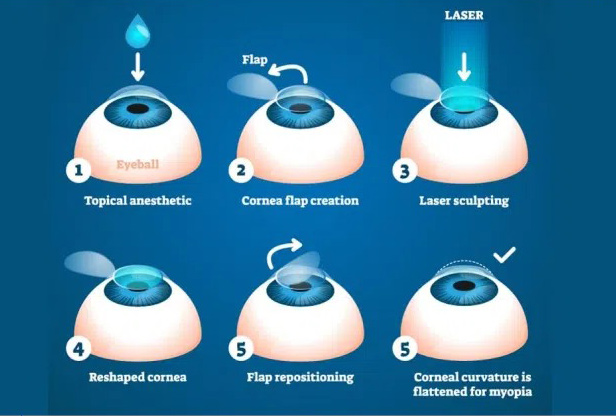
TransPRK Procedure: How It Works
The TransPRK procedure reshapes the cornea in a single continuous laser step, without manual instruments touching the eye. Here’s how it works.
What to Expect During the TransPRK Surgery Day
Here’s what to expect on the day of your TransPRK procedure.
Arrival at the ClinicPatients are advised to arrive at LSC Eye Clinic approximately one hour before the scheduled procedure time to register and prepare for the TransPRK procedure. |
Pre-Operative PreparationThe clinical team completes a brief set of checks before the procedure begins. |
The TransPRK ProcedureThe TransPRK procedure itself usually takes around five minutes per eye, with the patient awake throughout. |
DischargeAfter the procedure, patients spend a brief period in a recovery area before going home, normally within an hour of completing the procedure. You will be required to be accompanied by a family member or caregiver when leaving the premises. |
Benefits of TransPRK
TransPRK offers several practical advantages, particularly for patients whose corneal anatomy or lifestyle requires a flap-free procedure:
- Flap-Free Procedure: The cornea is reshaped on the surface, removing the risk of flap-related complications.
- Suitability for Thinner Corneas: TransPRK preserves more anterior corneal tissue, which allows those who may not be suitable for LASIK surgery to pursue laser vision correction.
- No Manual Contact with the Cornea: The procedure is performed entirely by the laser, without blades, instruments, or alcohol touching the eye.
- Wide Range of Treatable Conditions: TransPRK can correct myopia, hyperopia, and astigmatism, covering the most common refractive errors.
Risks and Side Effects of TransPRK
There are a few potential side effects that may occur after the TransPRK procedure, most of which are short term and resolve during healing:
- Discomfort and Foreign Body Sensation: Mild to moderate discomfort, including a gritty sensation, is common during the first three to five days as the epithelium regenerates.
- Light Sensitivity: Increased sensitivity to light is typical in the early recovery period and tends to improve over the first week.
- Tearing and Watering: The eyes may water more than usual during the first few days of healing.
- Blurred or Fluctuating Vision: Vision may be blurred or hazy in the first week and may continue to fluctuate over several weeks as the cornea stabilises.
- Temporary Dry Eye Symptoms: Some patients experience temporary dryness during the recovery period, which is generally managed with lubricating drops.
- Risk of Infection: As with any procedure involving the corneal surface, there is a small risk of infection, which is managed through prescribed antibiotic drops and follow-up monitoring.
TransPRK Recovery and Aftercare
Recovery after a TransPRK procedure typically takes several weeks as the epithelium regenerates and vision stabilises. During the recovery period, follow these practical tips to support optimal healing and reduce the risk of complications.
| Stick to Your Eye Drop Schedule
The prescribed antibiotic and lubricating drops are used consistently throughout the first week, following the surgeon’s instructions on frequency. |
Limit Screen Time
Reduce your screen use during the first week and take regular breaks to ease eye strain. |
Wear Sunglasses Outdoors
Sunglasses are worn outdoors for the first three to six months to protect the healing cornea from ultraviolet exposure. |
Avoid Rubbing the Eyes
Do not rub your eyes during the initial healing phase, particularly while the bandage contact lens is in place. |
Avoid Water Exposure
Avoid water and activities such as swimming, hot tubs, and direct shower spray to the face during the first two weeks. |
Defer Strenuous Activity
Avoid contact sports and heavy exercise are during the first few weeks of recovery. |
TransPRK Vision Results and Long-Term Expectations
Visual recovery after TransPRK unfolds gradually rather than over a single day. The cornea heals and stabilises over weeks to months, with most patients moving through a recognisable sequence of visual milestones.
| 1st Week Vision is typically blurred and hazy as the corneal epithelium regenerates. |
1st Month The epithelium has fully regenerated and vision becomes noticeably clearer. Patients can typically resume most daily activities, including driving and screen-based work, although some fluctuation between clearer and slightly hazier days is normal. |
3 to 6 Months Vision continues to refine as the corneal surface fully stabilises. Most patients reach their final visual outcome within this window, although individual healing timelines vary. |
Why Patients Trust Our Eye Surgeons
LSC Eye Clinic’s refractive surgery team includes Senior Consultant Ophthalmologists with subspecialty training in laser vision correction. The clinical approach centres on careful suitability assessment, transparent discussion of options, and structured follow-up care.
The team’s approach to TransPRK includes:
- Detailed pre-operative explanation of suitability and alternative procedures
- Continuity of care from assessment through to follow-up visits
- Specialist credentials in refractive surgery and lens implant surgery
- Direct access to a clinical team for post-operative queries
Payment Options
We Accept Cash, Nets, and Major Credit Cards:

- Installment Plans (Interest-Free) are available using UOB, OCBC, DBS/POSB credit cards. You can choose either 6 or 12 months of payment plans.
- MediSave is not applicable for LASIK surgeries
Why Choose LSC Eye Clinic
EXPERTISE
Over 21 years of experience in refractive procedures, managing conditions including presbyopia (Lao Hua / 老花眼), cataract, myopia and astigmatism
SAME-DAY APPOINTMENT
Same-day appointment and same-day surgery (Subject to assessment and availability)
EASY ACCESS
Conveniently located in Paragon, Orchard, in the heart of Singapore's medical hub
Book an appointment with LSC Eye Clinic to discuss your child’s vision and explore the options that may be appropriate.
Frequently Asked Questions About TransPRK
Anaesthetic drops numb your eyes throughout the procedure, so the laser portion itself is generally comfortable. You may feel mild to moderate discomfort, a gritty sensation, and light sensitivity during the first three to five days as the epithelium heals.
Most patients experience functional vision returning over one to two weeks as the epithelium regenerates. Vision continues to refine over three to six months as the cornea fully stabilises. Individual healing timelines vary depending on your prescription and ocular surface health.
Most patients are advised not to drive during the first week of recovery, when vision is still hazy and unstable. Driving is typically resumed once vision has cleared sufficiently and your surgeon confirms it is safe at a follow-up visit.
Many patients return to non-strenuous desk-based work within five to seven days, depending on individual healing and the visual demands of the role. You may need to limit screen time and take regular breaks during the first week.
TransPRK preserves more anterior corneal tissue than LASIK because it does not require a corneal flap. For patients with thinner corneas, TransPRK may extend the option of laser vision correction where LASIK is not advised. The suitability assessment confirms which procedure suits your eyes.
A bandage contact lens is placed on your eye at the end of the procedure to support epithelium healing. It is typically removed during your first follow-up visit after the TransPRK procedure at our eye clinics, around five to seven days after surgery, once the epithelium has regenerated.
TransPRK can correct myopia, short-sightedness, hyperopia, long-sightedness, and astigmatism within the treatable range of the laser platform. The suitability assessment evaluates whether your specific prescription falls within the platform's range.
Avoid wearing soft or hard contact lenses at least three days before your assessment and procedure. Eye make-up, lotions, and perfumes around the eye area are to be removed before the TransPRK procedure on the day of surgery.
Other Eye Services

Assessment and treatment of dry, gritty, or irritated eyes to improve daily comfort.

Diagnosis and treatment of eye infections, such as conjunctivitis, to relieve symptoms and protect vision.