
Myopia Control Singapore: Childhood Myopia Treatment at LSC Eye Clinic
Myopia, or short-sightedness, affects a significant proportion of children in Singapore and often begins during the primary school years. At LSC Eye Clinic, our specialists provide myopia control in Singapore, with personalised assessments and treatment options designed to slow progression and support long-term eye health.
If you have noticed signs of short-sightedness in your child, book a myopia assessment with our eye specialist at LSC Eye Clinic.
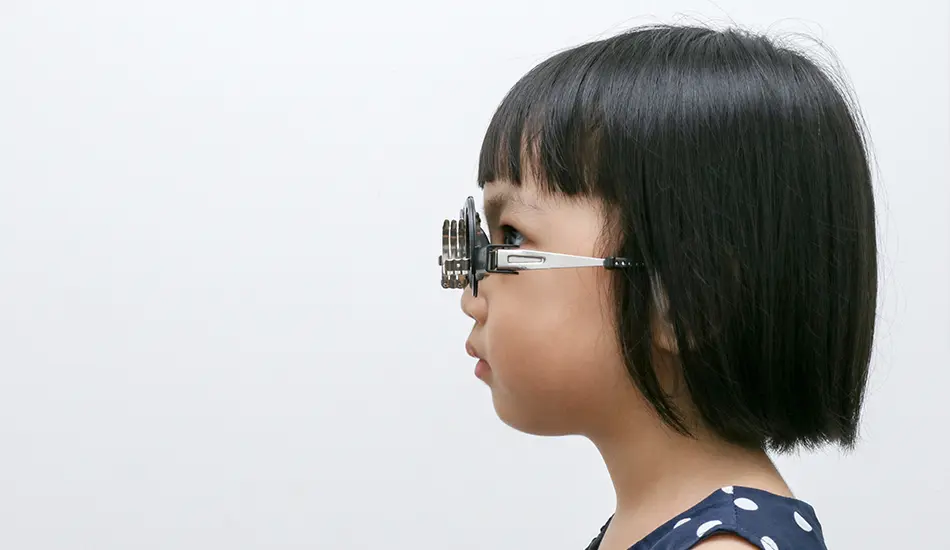

What Is Myopia?
Myopia is a refractive error where distant objects appear blurry while near objects remain clear. It develops when the eyeball grows longer than normal or the cornea is too curved, causing light to focus in front of the retina rather than directly on it.
Myopia often begins in childhood and tends to progress as the child grows. The earlier myopia develops, the more likely it is to reach higher degrees by adulthood. This is why early identification and management are an important part of paediatric eye care in Singapore.
Children with myopia may need glasses or contact lenses to see clearly at a distance. Myopia treatment in Singapore goes beyond simply correcting vision, focusing on slowing the rate at which myopia worsens over time.
Why Myopia Control Matters
Glasses and contact lenses correct blurry vision, but they do not slow the progress of myopia. Myopia control aims to address the progression itself, which carries longer-term implications for eye health.
Higher degrees of myopia have been associated with an increased lifetime risk of eye conditions, including:
- Retinal detachment, where the retina separates from the back of the eye
- Glaucoma, a group of conditions damaging the optic nerve and may lead to permanent vision loss
- Myopic maculopathy, changes in the central part of the retina, affecting central vision
- Cataracts, where the natural lens of the eye becomes cloudy, sometimes at an earlier age
These risks rise with higher refractive errors. Myopia control is not about eliminating short sightedness, but about managing the rate of progression to reduce the likelihood of reaching higher degrees.
Signs Your Child May Need Myopia Treatment
Some children clearly indicate that they cannot see well, while others adapt quietly and may not mention any visual difficulty. Common signs that parents should look out for include:
- Squinting to see distant objects or the whiteboard at school
- Sitting unusually close to screens, televisions or books
- Tilting the head or covering one eye when looking at faraway objects
- Frequent prescription changes during routine eye checks
- Headaches or eye strain after reading or screen use
- Lower interest in distance-based activities such as outdoor sports
Some children show no obvious symptoms even when their vision has changed. This is one reason why regular eye screenings during childhood are useful, even in the absence of visible signs.
Who Should Book a Myopia Control Assessment
A myopia control assessment in Singapore may be particularly useful for children who fit one or more of the following:
- Early-onset myopia: Children diagnosed before the age of 10 may benefit from earlier intervention, as earlier onset is associated with faster progression.
- Rapid progression: Children whose prescription has worsened noticeably within a 6 to 12-month period.
- Family history: Children who have one or both parents with myopia are at higher risk of short-sightedness.
- Heavy near-work habits: Children who spend long hours reading, studying or using screens at close range.
- Limited outdoor time: Reduced exposure to natural light has been linked to higher rates of myopia progression.
- Existing prescription: Children already wearing glasses or contact lenses would benefit from a discussion of progression management options.
If any of these apply to your child, an eye screening can establish a baseline and determine whether a myopia control plan is appropriate.
Myopia Control Singapore: Treatment Options
Myopia treatment in Singapore typically combines optical correction with one or more evidence-based interventions designed to slow progression. The right combination depends on the child’s age, rate of progression, lifestyle and overall eye health. Options discussed during consultation may include:
Low-Dose Atropine for Myopia Treatment
Low-dose atropine eye drops are one of the most common methods for slowing myopia progression in children. The drops are applied to the eyes once daily, typically at bedtime, and work by reducing the rate at which the eye elongates.
The dosing concentration and treatment duration are guided by an eye specialist based on the child’s age, current prescription and progression rate. Regular follow-up appointments allow the specialist to monitor response and adjust treatment as needed. Some children may experience mild side effects such as light sensitivity or near-vision blur, which are discussed during consultation.
Low-dose atropine is not a cure for myopia. It’s used as part of a broader management plan designed to slow the rate at which short-sightedness worsens.
Ortho-K and Myopia Control Lenses
Other approaches focus on the optical correction itself:
- Ortho-K (orthokeratology) lenses are rigid gas-permeable lenses worn overnight that temporarily reshape the cornea. After removal in the morning, the child can typically see clearly at distance throughout the day without glasses or daytime contact lenses. Ortho-K has been studied for its role in slowing myopia progression alongside its corrective function.
- Myopia control spectacles are specially designed lenses that incorporate optical zones intended to reduce the stimulus for eye elongation while providing clear central vision.
- Myopia control contact lenses include soft contact lenses with dual-focus or multifocal designs, worn during the day, that combine vision correction with progression management.
These options are designed to help slow progression, not cure myopia. The most appropriate choice depends on the child’s eye anatomy, lifestyle and ability to handle the chosen modality.
Lifestyle Habits That Support Myopia Control
Alongside clinical treatment, day-to-day habits play a meaningful role in supporting myopia control in Singapore:
- More outdoor time: Research has linked regular outdoor activity to a reduced rate of myopia progression. Aim for at least two hours of outdoor time daily where possible.
- Regular screen breaks: The 20-20-20 rule (every 20 minutes, look at something 20 feet away for 20 seconds) helps reduce sustained near focus.
- Good lighting: Encourage reading and study in well-lit environments, avoiding low-light conditions.
- Proper reading distance: Keep books and screens at least 30cm from the eyes during reading or close work.
- Balanced near-work: Where study commitments allow, build in non-screen breaks and avoid extended periods of uninterrupted close-range tasks.
These habits support healthy visual development but may not be sufficient on their own to manage progression in children with risk factors. They work best alongside specialist-guided treatment.
How Myopia Is Monitored Over Time
Myopia control in Singapore is a long-term process, not a single appointment. Children who begin treatment typically attend regular follow-up reviews so the eye specialist can:
- Measure changes in prescription
- Track eye growth using axial length measurement where available
- Assess treatment response and adjust the plan if needed
- Monitor overall eye health and screen for any related concerns
- Discuss lifestyle factors that may be affecting progression
Reviews are typically scheduled every 6 months, though more frequent visits may be advised during periods of faster growth. Consistent monitoring allows the treatment plan to evolve with the child’s needs over time.
What to Expect at the Myopia Assessment
A myopia control assessment at LSC Eye Clinic typically includes:
- History taking: A discussion of the child’s vision history, family history of myopia, daily habits and any symptoms noticed at home or school.
- Visual acuity and refraction: Measurement of the current prescription using both subjective and objective testing.
- Eye health examination: Assessment of the front and back of the eye, including the retina, to check overall eye health.
- Axial length measurement: Where appropriate, measurement of the length of the eye, which provides additional information on progression.
- Discussion of options: The eye specialist will explain findings, outline suitable treatment options and answer any questions parents and children may have.
The plan is personalised based on the child’s age, prescription, progression rate and lifestyle. Parents leave the consultation with a clear understanding of next steps and what to expect from the chosen approach.
Meet Our Doctor
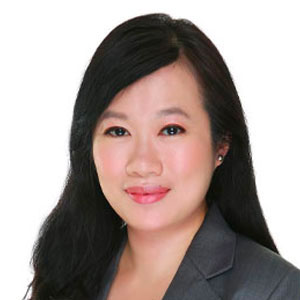
Dr Daphne Han
Medical Director and Senior Consultant Ophthalmologist
MBBS (Melbourne), MMed (NUS), FRCS (Edinburgh), FAMS (Ophthalmology)
Specialty: Laser Vision Correction and Lens Implant Surgery
LSC Eye Clinic is led by Dr Daphne Han, Medical Director and Senior Consultant Ophthalmologist, alongside Dr Wong Chee Wai, Senior Consultant (Visiting) Ophthalmologist. Both eye specialists hold internationally recognised qualifications and are involved in the diagnosis and management of refractive and medical eye conditions in adults and children.
Dr Han’s clinical experience includes paediatric refractive conditions, with a focus on personalised, family-friendly care. She continues to pursue ongoing training in modern eye treatment technologies and approaches to childhood eye health.
A consultation with our senior consultant ophthalmologist forms the foundation of any myopia control plan, ensuring the approach recommended is appropriate for your child’s eye anatomy, progression rate and lifestyle.
Payment Options
We Accept Cash, Nets, and Major Credit Cards:

Interest-Free Instalment Plans
Available with UOB, OCBC, DBS, and POSB bank credit cards.

MediSave
Cataract surgery and other eye procedures are MediSave claimable.
Our clinic is able to assist with your claim.
Most private insurance providers also cover cataract surgery claims.

Insurance
We are on the specialist panels of various Insurance Plans:
Why Choose LSC Eye Clinic for Myopia Treatment in Singapore?
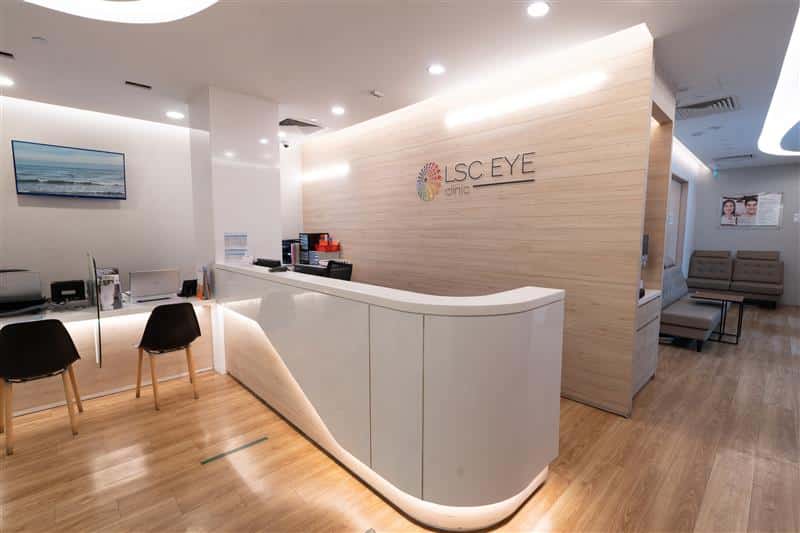
When considering myopia control options for your child, several factors guide the decision. At LSC Eye Clinic, our approach is built on:
Specialist-led assessment
Every child sees a senior consultant ophthalmologist, with paediatric-appropriate evaluation as part of the consultation.
Child-focused care
Appointments are paced to allow children to feel comfortable, with explanations given in a way both parents and children can follow.
Evidence-based options
Treatment recommendations are based on current research, including low-dose atropine, Ortho-K and myopia control optical options as appropriate.
Ongoing monitoring
Long-term follow-up ensures the treatment plan evolves with your child's needs.
Convenient location
LSC Eye Clinic is located at Paragon Medical on Orchard Road, with Saturday appointments available for working families.
Book an appointment with LSC Eye Clinic to discuss your child’s vision and explore the options that may be appropriate.
Frequently Asked Questions About Myopia Control in Singapore
Myopia control is designed to slow the progression of short-sightedness rather than reverse it. Most children with myopia will still need optical correction, but myopia control may help reduce how quickly the prescription worsens over time. Some optical interventions such as Ortho-K provide daytime vision without glasses while supporting progression management.
Myopia control is assessed over months and years rather than weeks. Progression is typically reviewed at 6-monthly intervals, comparing changes in prescription and eye growth against expected trajectories. A clearer picture of treatment response usually emerges after 12 months of consistent treatment.
Yes. Most myopia control treatments in Singapore are compatible with sports and active lifestyles. Low-dose atropine drops have no impact on physical activity. Ortho-K lenses are worn overnight, leaving the day free for sports. Daytime myopia control spectacles or contact lenses are similar to standard correction in terms of activity compatibility.
If your child wears soft contact lenses, we generally recommend stopping for 3 days before the assessment. For hard or Ortho-K lenses, a longer break may be needed. The clinic team will provide specific guidance when the appointment is booked.
Yes. Myopia control aims to slow progression but does not stop it entirely in every case. Some children continue to experience progression despite treatment, though typically at a slower rate than without intervention. Regular monitoring allows the treatment plan to be adjusted if progression remains faster than expected.
Follow-up reviews are typically scheduled every 6 months, though more frequent visits may be recommended during faster growth periods or when treatment changes are being considered. Consistent reviews help track response and refine the approach over time.
If Ortho-K is not suitable, the eye specialist will discuss alternative options such as low-dose atropine, myopia control spectacles, or daytime myopia control contact lenses. The treatment plan is always tailored to what is appropriate for the individual child.
Myopia control approaches are primarily designed for children and adolescents, as this is when progression typically occurs. Adults with stable myopia generally focus on vision correction options such as glasses, contact lenses, laser vision correction, or implantable lenses. An assessment can help identify the most appropriate path based on age and refractive stability.
Other Eye Services

Assessment and treatment of dry, gritty, or irritated eyes to improve daily comfort.

Diagnosis and treatment of eye infections, such as conjunctivitis, to relieve symptoms and protect vision.