
LASEK Eye Surgery in Singapore
LASEK (laser-assisted sub-epithelial keratectomy) is a surface-based laser vision correction procedure that reshapes the cornea to correct myopia and astigmatism. Unlike LASIK, LASEK does not create a corneal flap, making it an option for patients whose corneal anatomy is not suited to flap-based procedures.
At LSC Eye Clinic, LASEK eye surgery is performed by specialist ophthalmologists with subspecialty training in laser vision correction.
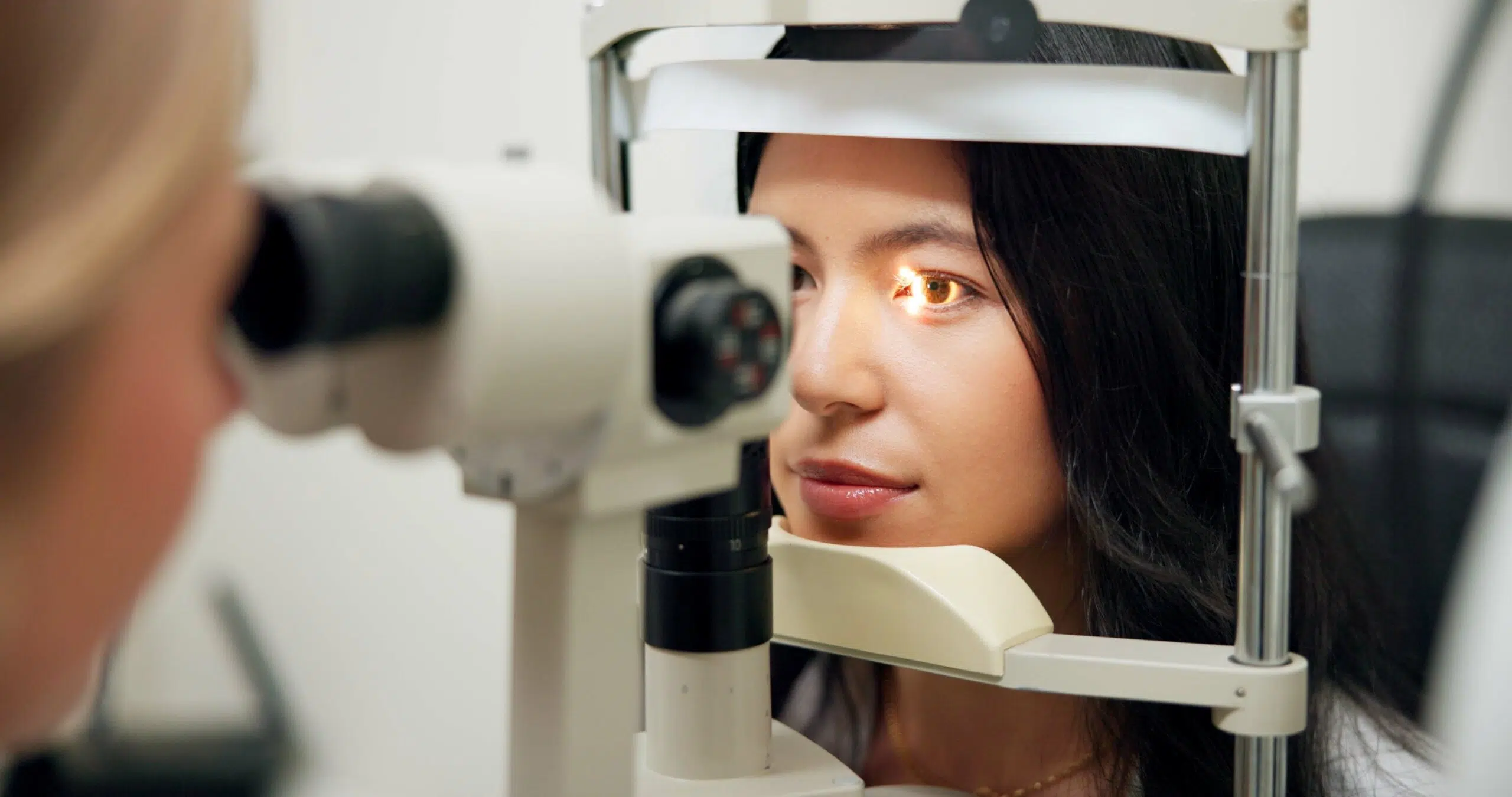

What Is LASEK?
LASEK is a surface laser vision correction procedure that corrects refractive errors by reshaping the outer layer of the cornea (the front surface of the eye) using an excimer laser. The procedure is flapless, meaning the outer epithelial layer (the cornea’s surface cells) is loosened and moved aside rather than cut into a hinged flap as in LASIK.
LASEK vs LASIK
| LASEK | LASIK | |
| Method of Accessing Cornea | Epithelial layer loosened with alcohol solution and moved aside | Hinged corneal flap created and lifted |
| Conditions Treated | Myopia, astigmatism | Myopia, hyperopia, astigmatism |
| Recovery Period | Several days to a few weeks for functional vision | 24 to 48 hours for functional vision, with continued refinement |
| Ideal For | Patients with thinner corneas, flatter corneal curvature, or contact sports lifestyles | Patients with adequate corneal thickness seeking faster visual recovery |
Who Is Suitable for LASEK?
A suitability assessment will determine whether LASEK is appropriate for your eyes and prescription:
- Your cornea is thinner than the minimum threshold required for flap-based procedures such as LASIK or ZEISS SMILE® pro 2.0.
- Your corneal curvature makes flap creation inadvisable.
- You participate in contact sports or activities where a corneal flap could be at risk of displacement from direct impact.
- Your prescription falls within the treatable range for surface ablation, including myopia and astigmatism.
- Your ocular surface and tear film are assessed as supporting post-operative surface healing.
- You have previously undergone LASIK or another refractive procedure and require a surface-based enhancement.
Not everyone with myopia or astigmatism will be a candidate for LASEK, and suitability is determined through clinical assessment.
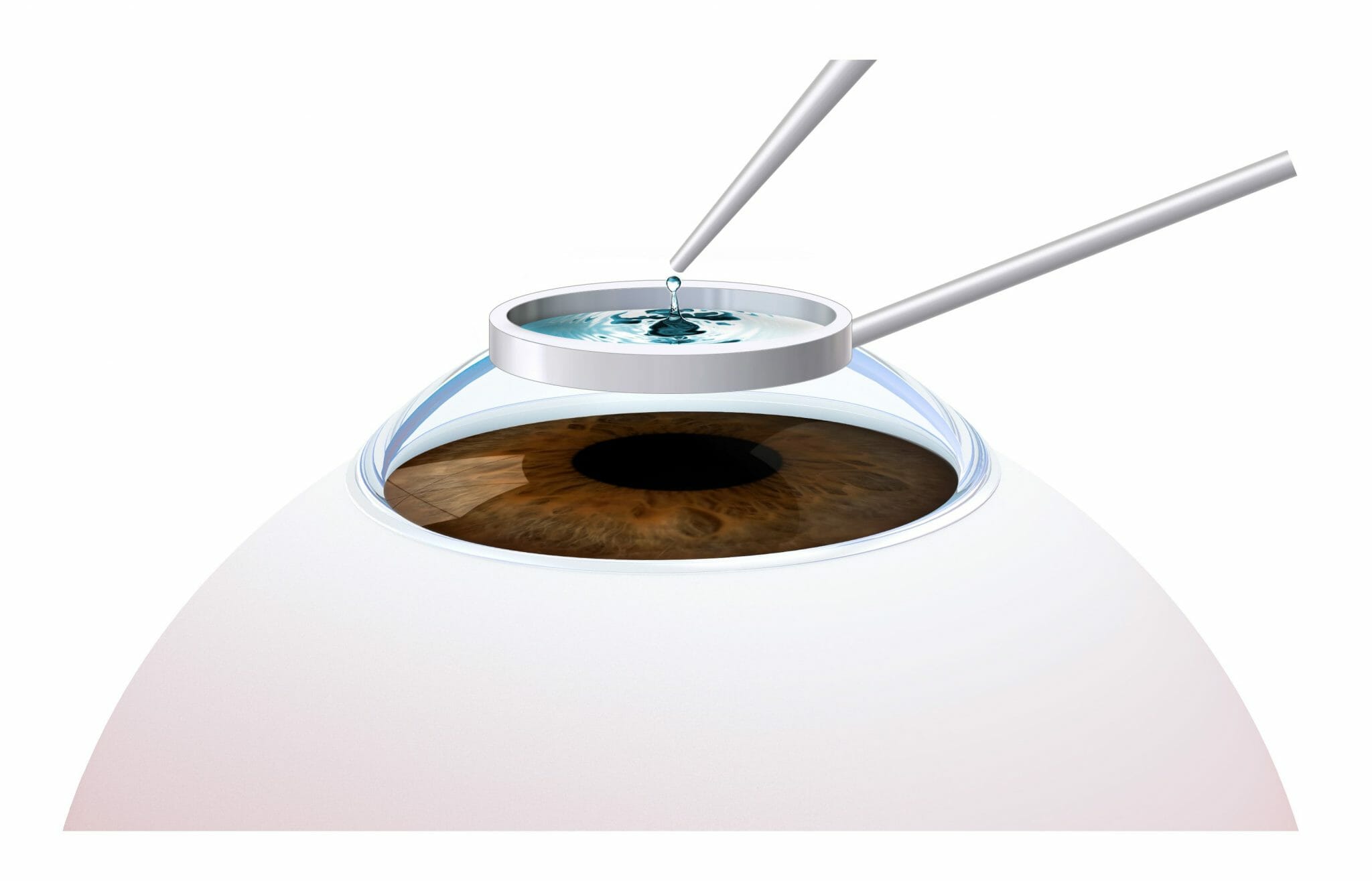
LASEK Procedure: How It Works
LASEK reshapes the cornea’s surface using an excimer laser, a cool ultraviolet beam that removes precise amounts of corneal tissue without generating heat. Here’s how it works.
What to Expect on LASEK Surgery Day
LASEK surgery day at LSC Eye Clinic follows a structured sequence, and most patients find the process straightforward once they know what to expect.
Arrival at the Clinic
Patients are advised to arrive at LSC Eye Clinic approximately one hour before the scheduled procedure time to register and prepare for the LASEK procedure. As part of preparations, your eyes are examined and confirmed against your suitability assessment findings. Anaesthetic drops are applied and the area around your eye is cleaned.
Pre-Operative Preparation
The clinical team completes a brief set of checks before the procedure begins.
The LASEK Procedure
The LASEK eye surgery procedure usually takes around five minutes per eye, with the patient awake throughout.
Discharge
After the procedure, patients spend a brief period in a recovery area before going home, normally within an hour of completing the procedure. You will be required to be accompanied by a family member or caregiver when leaving the premises.

Benefits of LASEK
LASEK offers several clinical advantages that make it appropriate for patients who are not suited to flap-based laser vision correction.
- No Corneal Flap: The absence of a flap removes the risk of flap-related complications, including flap displacement from trauma, which can occur with LASIK.
- Suitable for Thinner Corneas: LASEK removes tissue from the surface rather than from within the corneal stroma, preserving more of the cornea’s central depth and making it viable for patients with thinner corneas.
- Reduced Impact Risk: Patients engaged in contact sports or physically demanding occupations may benefit from a flapless surface procedure, where there is no flap that could be dislodged.
Risks and Side Effects of LASEK
Short-term side effects from LASEK are common in the days following surgery and typically resolve without intervention.
- Discomfort and Pain: Surface procedures involve more post-operative discomfort than flap-based procedures. Pain, foreign body sensation, and light sensitivity are common in the first two to four days while the epithelium regenerates.
- Blurred Vision During Healing: Visual clarity fluctuates while the epithelial surface heals and stabilises. Functional vision typically returns within several days, though full clarity may take several weeks.
- Dry Eyes: Post-operative dry eye can occur following surface ablation, particularly in the early weeks. Lubricating drops are usually prescribed as part of the recovery regimen.
- Haze: A degree of corneal haze (mild scarring of the surface layer during healing) can develop in some patients, particularly those treated for higher prescriptions.
- Regression: A small proportion of patients may experience a partial return of refractive error over time, which may require another procedure.
Short-term discomfort and visual fluctuation are an expected part of recovery following LASEK. Patients should observe their symptoms and consult our team promptly if discomfort is severe, prolonged, or accompanied by unexpected changes in vision.
LASEK Recovery and Aftercare
Recovery following LASEK requires more active aftercare than flap-based procedures. Follow these tips to ensure you can recover at an optimal pace.
| Use prescribed drops as directed | Avoid rubbing your eyes | Protect your eyes from UV exposure | Avoid swimming and contact sports | Limit screen use in the first few days | Attend all scheduled follow-up appointments |
| Antibiotic, anti-inflammatory, and lubricating drops are prescribed to prevent infection, reduce haze risk, and support surface healing. Complete the full course even if your eye feels comfortable. | Rubbing during the healing period can disrupt the epithelial surface before it has fully regenerated. | Wear wraparound sunglasses outdoors for at least the first four weeks post-surgery. UV exposure in the early healing period can increase the risk of corneal haze. | Swimming and contact sports should be avoided for at least four weeks, or as directed by your ophthalmologist. | Your eyes will be light-sensitive and visually unstable in the first few days. Reducing screen time during this period supports comfort. | Follow-up visits allow your surgeon to monitor epithelial healing, check intraocular pressure, and assess the refractive outcome as vision stabilises. |
LASEK Vision Results and Long-Term Expectations
Vision after LASEK improves gradually as the corneal surface heals and stabilises. The timeline below gives a general indication of what to expect, though recovery varies between individuals:
| 01. First Week | 02. First Month | 03. Three to Six Months | 04. Beyond Six Months |
| Vision is blurred and may fluctuate. Light sensitivity and discomfort are common. You will be required to wear a bandage contact lens during this period. | The epithelium has typically regenerated and the bandage lens has been removed. Vision is improving but remains unstable. Most patients can return to light desk-based work, though screen tolerance may still be limited. | Vision continues to refine. Most patients have reached functional vision adequate for daily tasks, though full clarity may not yet be established. Dry eye symptoms, if present, are usually improving. | Refractive stability is generally achieved by three to six months post-surgery. Most patients reach their final corrected vision within this period, though individual healing timelines vary. |
Why Patients Trust Our Eye Surgeons
LSC Eye Clinic’s refractive surgery team includes Senior Consultant Ophthalmologists with subspecialty training in laser vision correction. The clinical approach centres on careful suitability assessment, transparent discussion of options, and structured follow-up care.
The team’s approach to LASEK includes:
- Detailed pre-operative explanation of suitability and alternative procedures
- Continuity of care from assessment through to follow-up visits
- Specialist credentials in refractive surgery and lens implant surgery
- Direct access to a clinical team for post-operative queries
Payment Options
We Accept Cash, Nets, and Major Credit Cards:

Why Choose LSC Eye Clinic for LASEK

SPECIALIST-LED REFRACTIVE SURGERY CARE
LASEK is performed by Senior Consultant Ophthalmologists, ensuring patients are assessed and treated by experienced clinicians.
90,000+ EYES TREATED SINCE 2005
LSC Eye Clinic has treated more than 90,000 eyes with refractive surgery since 2005, giving patients procedural depth and consistency.
SATURDAY AND SAME-DAY SURGERY OPTIONS
Patients can schedule surgery on Saturdays or, where suitable, on the same day as the assessment, supporting busy schedules.
CENTRAL ORCHARD ROAD LOCATION
The clinic at Paragon Medical on Orchard Road offers central access for patients attending assessment and follow-up visits.
Suitability and outcomes vary for every individual. A clinical assessment determines whether LASEK is appropriate for your eyes.
Frequently Asked Questions About LASEK
Anaesthetic drops are applied before the procedure, so you should not feel pain during surgery. Discomfort is common in the first two to four days afterwards as the surface heals, and your surgeon will prescribe drops to help manage this.
Functional vision typically returns within several days, and most patients reach their final corrected vision within three to six months. Recovery is slower than LASIK, so patients should plan for reduced visual demands in the first week.
You should not drive until your vision meets the legal standard for driving and your surgeon confirms it is safe to do so. This typically takes at least one to two weeks, though the exact timeline depends on your individual recovery.
Most patients return to desk-based work within five to seven days, depending on how quickly their vision stabilises. Work involving extended screen use, bright lighting, or physical activity may require a longer absence.
LASEK may be suitable for patients with corneas that are too thin for flap-based procedures. A suitability assessment measures corneal thickness and determines which procedure, if any, is appropriate for your eyes.
Yes. A soft bandage contact lens is placed on your eye at the end of surgery and remains in place for approximately three to five days to protect the healing surface. Our team removes it at your follow-up appointment.
LASEK can treat myopia and astigmatism within the treatable range for surface ablation. Whether your specific prescription falls within that range is confirmed during the suitability assessment at our clinic.
You should discontinue soft contact lenses for at least three days before your suitability assessment, and for longer if you wear rigid gas permeable lenses. On the day of surgery, avoid wearing eye make-up, perfume, or cologne, and arrange for someone to accompany you home.
Both LASEK and TransPRK are surface ablation procedures with similar recovery timelines. TransPRK does not involve loosening or repositioning the epithelium, which some surgeons consider a procedural advantage. The appropriate choice depends on your clinical findings and your surgeon's assessment.
Other Eye Services

Assessment and treatment of dry, gritty, or irritated eyes to improve daily comfort.

Diagnosis and treatment of eye infections, such as conjunctivitis, to relieve symptoms and protect vision.