
Astigmatism (San Guang / 散光) Treatment in Singapore
Astigmatism is a refractive error caused by an irregularly curved cornea or lens, and several treatment options are available in Singapore to correct the resulting blurred vision. The right approach depends on prescription strength, corneal shape, lifestyle, and overall eye health.
At LSC Eye Clinic, our specialist team assesses each patient individually before discussing which approach may suit their eyes. To explore your options, book an astigmatism treatment consultation with our clinic.
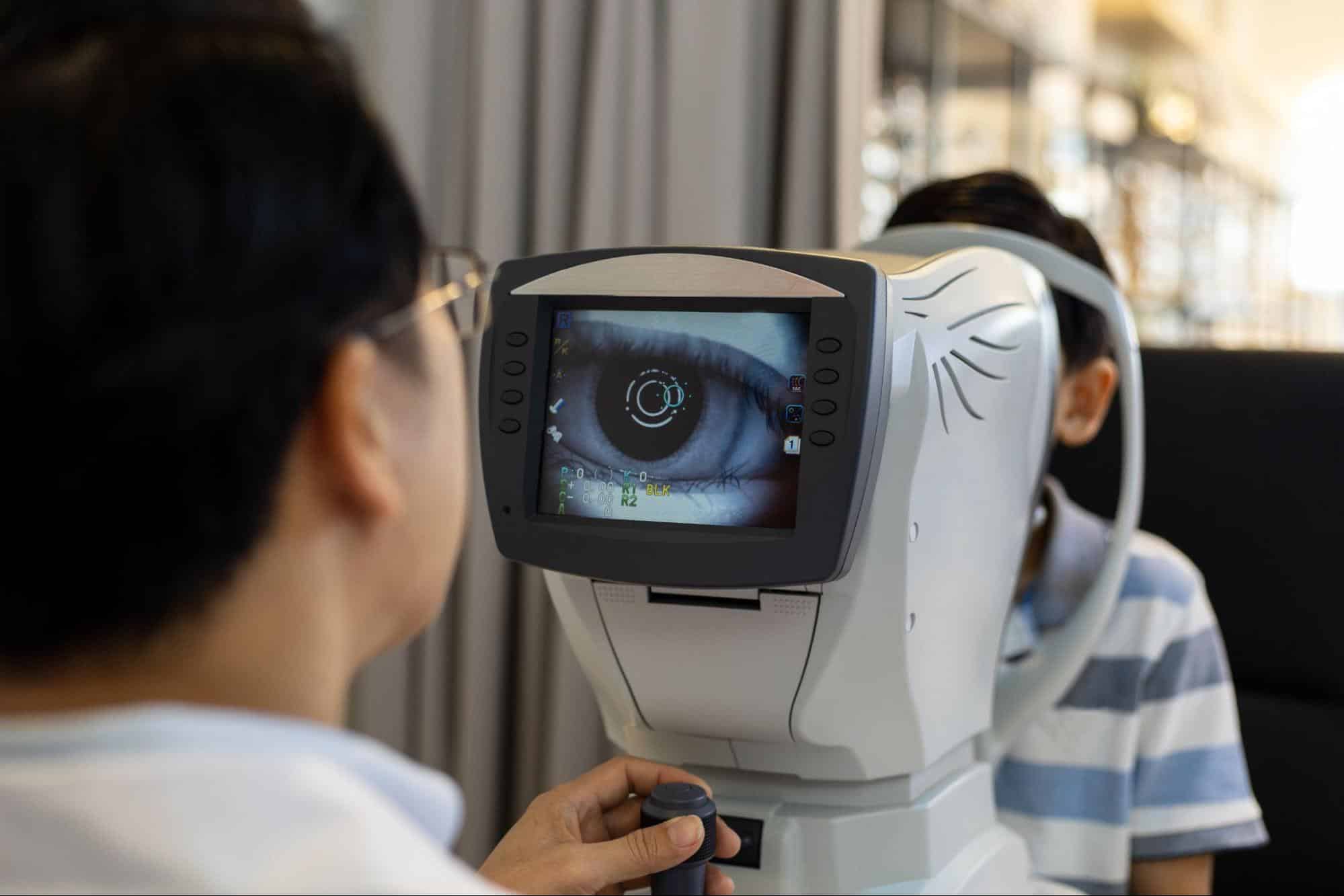
Exploring Astigmatism Treatment Options
Treatment for astigmatism falls into three main paths: corrective eyewear, laser vision correction, and lens-based procedures. Suitability depends on the degree of astigmatism, corneal anatomy, prescription stability, and lifestyle considerations.
Glasses and Toric Contact Lenses
Spectacle lenses and toric contact lenses correct astigmatism by refracting light to match the eye’s irregular curvature. Both options provide convenient daily correction, although toric contacts require careful fitting and routine prescription updates. Long-term lens wear can also contribute to dry eye in some patients.
Laser Eye Surgery for Astigmatism
Laser vision correction reshapes the cornea to correct astigmatism, often alongside myopia or hyperopia. Available approaches at LSC Eye Clinic include LASIK, ZEISS SMILE® pro 2.0, and trans-PRK. Suitability depends on corneal thickness, corneal shape, prescription stability, and overall eye health.
Lens-Based Options for Higher or Complex Astigmatism
Lens-based procedures are an alternative when laser correction is not advisable, such as in cases of very high astigmatism, thin corneas, or specific corneal conditions. Options may include Implantable Collamer Lenses (ICL) or other specialist-recommended approaches. The appropriate path is determined through a clinical assessment.
When Astigmatism Needs a Specialist Treatment Plan
In these situations, the treatment plan is shaped by additional clinical factors. The ophthalmologist reviews corneal measurements, refractive history, and any prior interventions before discussing which astigmatism treatment in Singapore may suit the patient’s eyes.
Choosing the Right Treatment for Your Lifestyle
Lifestyle considerations often influence which astigmatism treatment is the most practical choice for an individual. Daily routines, occupational demands, and long-term comfort all factor into how each option is evaluated alongside the clinical findings.
| Lifestyle Factor | Glasses / Toric Contacts | Laser Vision Correction | Lens-Based Options |
| Screen-intensive work | Convenient, although extended contact wear may worsen dry eye | Reduces daily lens dependence | Reduces daily lens dependence |
| Sports and swimming | Limited; contact lenses risk dislodgement or contamination | Suitable once recovery is complete | Suitable once recovery is complete |
| Travel | Requires supplies, spare lenses, and storage | Minimal upkeep once stable | Minimal upkeep once stable |
| Long-term maintenance | Ongoing prescription updates and replacements | Typically stable, reviewed at follow-up | Typically stable, reviewed at follow-up |
| Suitability for high astigmatism | Available across a wide prescription range | Limited by corneal anatomy and prescription range | Often suitable when laser is not advised |
Meet Our Doctor

Dr Daphne Han
Medical Director and Senior Consultant Ophthalmologist
MBBS (Melbourne), MMed (NUS), FRCS (Edinburgh), FAMS (Ophthalmology)
Specialty: Laser Vision Correction and Lens Implant Surgery
Dr Daphne Han is the Medical Director and Senior Consultant Ophthalmologist at LSC Eye Clinic, with over 20 years of clinical experience in ophthalmology. Her subspecialty covers laser vision correction and lens implant surgery, both of which include the treatment of astigmatism alongside myopia, hyperopia, and presbyopia.
Her surgical scope spans LASIK, ZEISS SMILE® pro 2.0, ZEISS PRESBYOND®, Epi-LASIK, LASEK, PRK, and Implantable Collamer Lenses (ICL) for patients unsuitable for laser-based correction.
Dr Han trained at the Singapore National Eye Centre (SNEC), where she served for over 14 years, and has completed advanced fellowship training internationally, including at IROC Zurich under Professor Theo Seiler and at the Cincinnati Eye Institute.
She holds an appointment as Adjunct Assistant Professor at Duke-NUS Medical School and remains active as a published author and peer reviewer in the field of refractive surgery.
In addition to refractive procedures, Dr Han performs conventional and laser-assisted cataract surgery and manages conditions including glaucoma and general ophthalmology.
Payment Options
We Accept Cash, Nets, and Major Credit Cards:

Interest-Free Instalment Plans
Available with UOB, OCBC, DBS, and POSB bank credit cards.

MediSave
Cataract surgery and other eye procedures are MediSave claimable.
Our clinic is able to assist with your claim.
Most private insurance providers also cover cataract surgery claims.

Insurance
We are on the specialist panels of various Insurance Plans:

Why Choose LSC Eye Clinic for Astigmatism Treatment
SPECIALIST-LED REFRACTIVE SURGERY CARE
The clinical team is led by a senior consultant whose subspecialty experience guides each patient's treatment plan.
FULL RANGE OF ASTIGMATISM TREATMENT OPTIONS
Appointments are paced to allow children to feel comfortable, with explanations given in a way both parents and children can follow.
EXPERIENCE ACROSS REFRACTIVE PROCEDURES
Patients benefit from the procedural depth of more than 90,000 refractive surgeries performed at LSC Eye Clinic since 2005.
SAME-DAY AND SATURDAY APPOINTMENTS
Patients can schedule an astigmatism treatment consultation on weekdays or Saturday mornings to suit their routine.
Frequently Asked Questions About Astigmatism Treatment
The most suitable treatment depends on the strength of your astigmatism, the shape of your cornea, your prescription stability, and your lifestyle. After your assessment at LSC Eye Clinic, our team can discuss which options may suit your eyes.
Both options can correct astigmatism. Toric contacts offer a wider field of view and are useful during sport, while glasses involve less daily maintenance. Long-term lens wear can also affect tear film stability in some patients, which is reviewed during the assessment.
Yes. Laser vision correction can treat astigmatism alongside myopia or hyperopia in a single procedure, provided your eyes meet the suitability criteria. The assessment reviews corneal thickness, prescription stability, and other clinical factors to confirm whether you are a candidate.
Lens-based options such as Implantable Collamer Lenses may be considered when laser correction is not advisable. Toric contact lenses and spectacles remain alternatives. Your ophthalmologist will review the clinical findings with you and discuss which approaches may suit your eyes.
Lens-based options can be appropriate for high astigmatism, particularly when corneal thickness or shape limits laser correction. The decision depends on a full clinical assessment of your eyes, since suitability varies for every individual.
After your initial suitability assessment, which typically takes 90 minutes to two hours, our team discusses the clinical findings and treatment options with you. Most patients reach a decision within one to two consultations, depending on the complexity of their case.
Astigmatism can usually be corrected to a high degree with appropriate treatment, although the extent depends on its severity, corneal shape, and any coexisting conditions. A clinical assessment determines what level of correction is realistic for your eyes.
Yes. Soft contact lenses are typically discontinued for at least three days before the assessment, and rigid gas permeable lenses (hard contact lenses) for longer. This allows the measurements to reflect your cornea at its natural baseline.
Laser vision correction and lens-based procedures provide stable correction in most patients, although small refractive changes can occur over time. Glasses and toric contact lenses correct astigmatism while worn, and your prescription is updated as your eyes change.
Other Eye Services

Assessment and treatment of dry, gritty, or irritated eyes to improve daily comfort.

Diagnosis and treatment of eye infections, such as conjunctivitis, to relieve symptoms and protect vision.