
Glaucoma Treatment in Singapore
Glaucoma is a long-term eye condition that requires ongoing assessment, treatment and monitoring. At LSC Eye Clinic, our glaucoma eye specialists provide personalised glaucoma treatment, with care plans built around the type of glaucoma, the stage of the condition and individual eye anatomy.
If you have been advised that you may have glaucoma or are due for an eye screening, book a glaucoma consultation with our specialists.

What Is Glaucoma?
Glaucoma is often associated with increased intraocular pressure (IOP), but it can also occur in individuals with normal eye pressure. There are many other factors that can cause glaucoma, increased in IOP is not the sole or primary cause but a major risk factor.
As the disease progresses, the eye’s optic nerve, which sends images to the brain, becomes damaged and can lead to gradual loss of vision. If left untreated, it may eventually lead to significant vision loss or blindness. Glaucoma typically causes peripheral (side) vision loss first, with central vision becoming affected only in the later stages.
Glaucoma is the 2nd most common cause of vision loss, accounting for 40% of blindness in Singapore. It can affect anyone at any age, from babies to seniors, although having a family history of glaucoma puts you at a higher risk.
The effects of glaucoma are irreversible. Therefore, it is recommended to have regular eye checks at least once every one to two years (or as advised by our eye care professional), especially if you have one or more risk factors. With early detection and treatment, you can protect your eyes against serious vision loss.
How Does Glaucoma Develop?
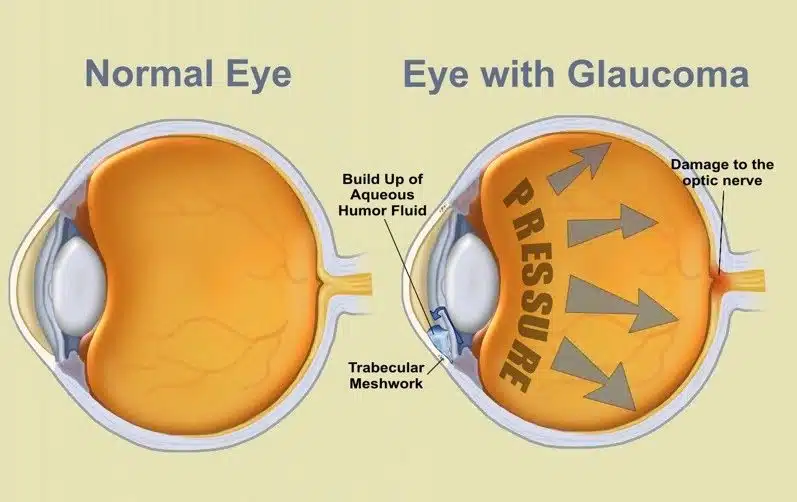
The front part of the eye is filled with a clear fluid known as aqueous humor. This fluid nourishes and maintains the structures at the front of the eye and is usually circulated through the pupil and out through the trabecular meshwork, which are the drainage channels of the eye. When the channels are blocked, there is an imbalance between the production and drainage of the fluid, leading to a build-up of fluid in the eye. This results in increased eye pressure.
However, not everyone with increased eye pressure will develop glaucoma. The onset of the disease will depend on the level of pressure the optic nerve can tolerate without getting damaged. This level varies from person to person. Some people are able to withstand higher levels of eye pressure than others. When the pressure goes beyond what the eye can tolerate, there will be damage to the optic nerve and can lead to progressive vision loss if left untreated.
There is no exact cause to why the drainage channels get blocked, but there are a few possible risk factors that can lead to the development of glaucoma. To make matters worse, there are usually no symptoms presented in the early and moderate stages. When symptoms start to appear, the condition has generally progressed to become more severe. Regular screening and early detection are key to managing the disease and preventing visual loss.
Types of Glaucoma
There are two types of glaucoma, namely Open-Angle and Closed-Angle.
Open-Angle Glaucoma
Open-angle glaucoma is the most common type. It is largely related to age and therefore results in a chronic condition. Due to the natural aging process, the drainage process gradually becomes less efficient over time, even when the channels are opened. This causes the fluid to be retained in the eye and with time, the build-up increases the pressure within the eyeball. There are usually no symptoms presented in such cases.
Closed-Angle Glaucoma
Closed-angle glaucoma is less common and may be acute or chronic. As its name suggests, closed-angle glaucoma happens when the drainage angle is completely closed and blocked. This can cause a sudden build-up of pressure in the eye, resulting in an acute onset. Symptoms experienced could include:
- Pain in the eye
- Redness of the eye
- Headache or nausea
- Blurred vision
- Presence of “haloes”
When this happens, seek medical attention immediately. Surgery might be needed to allow the fluid to be drained out.
Am I at Risk of Developing Glaucoma?
If you are above 40 years old and have a family history of glaucoma, it is highly advisable to go for a comprehensive eye assessment every 1 to 2 years. Other possible risk factors include:
- Chronic diseases like diabetes and high blood pressure
- Certain ethnicity backgrounds
- History of eye injuries
- High myopia
- Long-term use of steroids
Unfortunately, glaucoma cannot be cured, but the progression of the disease can be controlled. Treatment is dependent on the type of glaucoma and the stage of the condition.
Glaucoma Treatment Options in Singapore
Glaucoma treatment generally focuses on lowering intraocular pressure to slow or halt damage to the optic nerve. The right approach depends on the type of glaucoma, the stage of the condition, how the eye responds to initial treatment and the patient’s overall eye health. At LSC Eye Clinic, treatment options discussed during consultation may include:
Eye Drops and Oral Medication
Medicated eye drops are often the first-line treatment for glaucoma. They work by lowering eye pressure, either by reducing the amount of fluid the eye produces or by improving drainage. Different classes of drops work in different ways, and some patients use a single drop while others require a combination of two or more.
Oral medication may be added in certain situations, particularly when eye pressure remains higher than desired despite drops, or when a rapid reduction in pressure is needed.
Compliance is an important part of medical treatment for glaucoma. Drops typically need to be used daily, often for the rest of the patient’s life, and missed doses can allow pressure to rise. Patients are encouraged to discuss any side effects or difficulty with the drop regimen openly.
Laser Treatment for Glaucoma
Laser treatment is an option for several types of glaucoma. The most common procedures include:
- Selective Laser Trabeculoplasty (SLT). Used for open-angle glaucoma, SLT applies low-energy laser pulses to the trabecular meshwork to improve fluid drainage. It is often considered as an alternative to, or alongside, eye drops.
- Laser Iridotomy. Used for closed-angle glaucoma, this creates a small opening in the iris to relieve angle blockage and allow fluid to flow more freely.
Laser treatment for glaucoma is not the same procedure for every patient. The choice depends on the underlying mechanism of the glaucoma. Laser is generally an outpatient procedure performed under topical anaesthesia, with most patients returning to normal activities within a short period.
MIGS and Other Surgical Options
When eye pressure is not adequately controlled with medication or laser, or when there is progressive damage to the optic nerve, surgical options may be discussed. These include:
- Minimally Invasive Glaucoma Surgery (MIGS). A category of procedures that make use of microscopic incisions to improve drainage, coming with shorter recovery times than traditional surgery. MIGS is often considered for mild to moderate glaucoma, particularly when combined with cataract surgery.
- Filtering surgery (trabeculectomy). A procedure that creates a new drainage pathway for fluid to leave the eye. It is typically considered for more advanced glaucoma or when other treatments have not achieved adequate pressure control.
- Drainage implants. A small tube device is implanted to channel fluid out of the eye, reducing pressure. These may be considered for complex cases or when previous surgery has not worked.
Surgery is generally recommended when the risk of vision loss outweighs the risks of the procedure. A glaucoma eye specialist assesses suitability based on optic nerve status, pressure history, response to medication and individual eye anatomy.
When Glaucoma Needs a Specialist Treatment Plan
A glaucoma eye specialist may be particularly helpful when:
- Eye pressure remains higher than target despite medication.
- The condition is progressing despite treatment.
- Side effects from drops are affecting day-to-day life or compliance.
- The glaucoma is at an advanced stage at the point of diagnosis.
- The eye anatomy is complex, such as narrow angles or previous eye surgery.
- Both eyes are affected and require coordinated management
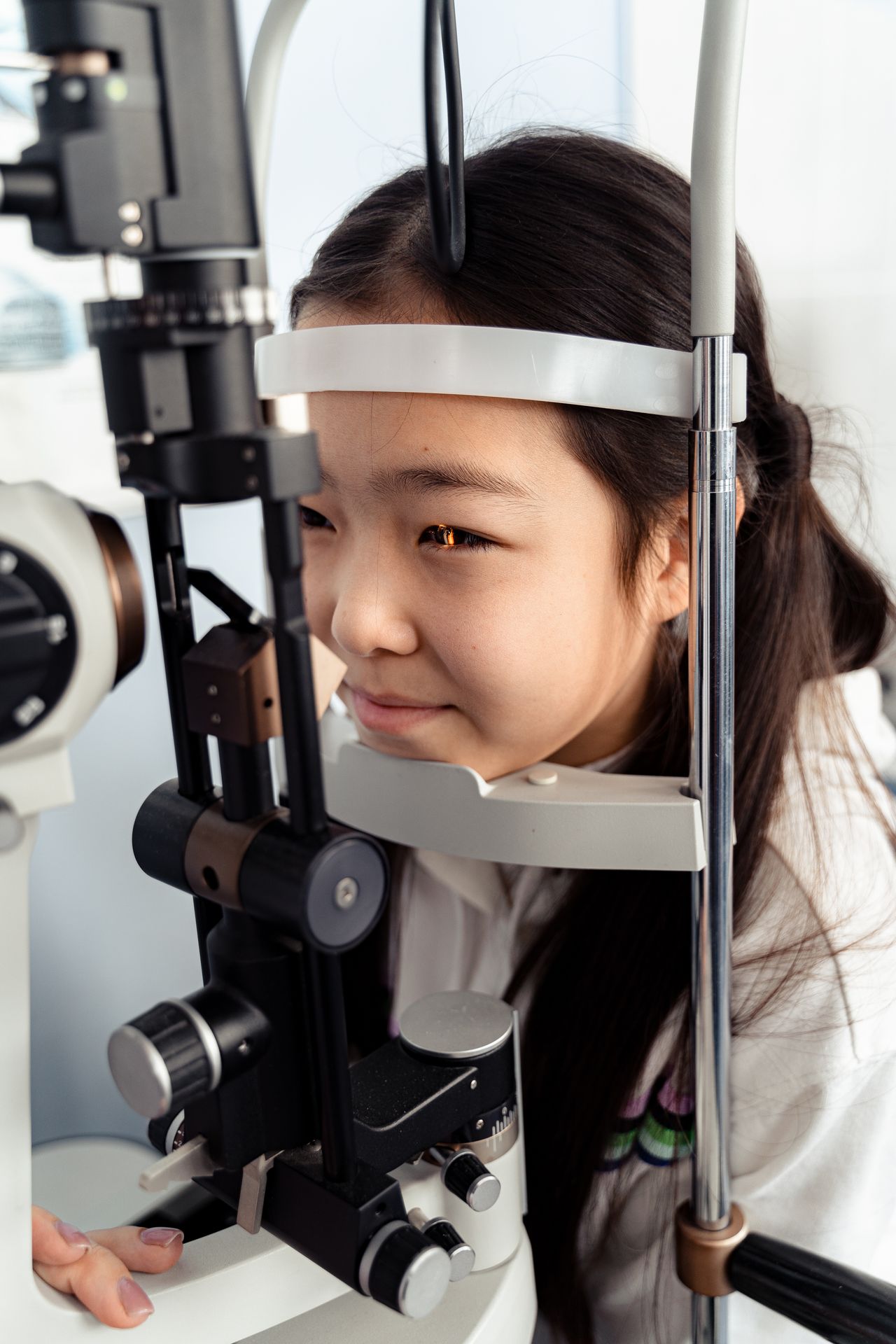
Specialist-led care allows the treatment plan to be tailored based on intraocular pressure readings, optic nerve imaging, visual field testing and the patient’s lifestyle and tolerance for long-term treatment. This is particularly relevant for patients with both open-angle and closed-angle features, or where multiple treatment modalities need to be combined.
Choosing the Right Glaucoma Treatment
Several factors influence the most suitable choice of glaucoma treatment:
- Type of glaucoma: Open-angle and closed-angle glaucoma respond to different interventions. Closed-angle glaucoma often requires laser iridotomy or surgery to address the angle blockage, while open-angle is typically managed initially with drops or SLT.
- Severity: Mild glaucoma may be controlled with drops alone, while moderate to advanced cases may benefit from earlier consideration of laser or surgical options.
- Response to medication: If eye pressure remains high or progression continues despite consistent drop use, the treatment plan may be escalated.
- Tolerance of drops: Some patients experience ocular surface irritation, allergy or systemic side effects from glaucoma drops, which can affect the choice of treatment.
- Eye anatomy: Narrow angles, previous surgery or other anatomical considerations influence which procedures are appropriate.
- Lifestyle factors: The ability to maintain a consistent drop regimen, attend regular follow-up and manage the long-term nature of treatment all play a role in planning.
A glaucoma eye specialist works through these factors with the patient to identify a plan that addresses the disease while remaining practical for daily life.
What to Expect After Glaucoma Treatment
Glaucoma treatment is a long-term commitment. After starting treatment, patients can generally expect:
- Regular follow-up visits: Initial visits may be more frequent to assess response, with the schedule extending once the condition is stable. Visits typically include pressure checks, optic nerve assessment and visual field testing.
- Ongoing pressure monitoring: Eye pressure can fluctuate, and consistent monitoring allows the treatment plan to be adjusted if pressure rises above target.
- Continued treatment in most cases: Drops, when prescribed, are typically used long-term. Laser and surgical procedures may reduce reliance on drops but rarely eliminate the need for ongoing care.
- Vision protection: Treatment aims to preserve remaining vision and slow further damage. Vision that has been lost to glaucoma cannot be restored, which is why early diagnosis and consistent treatment matter.
Patients are encouraged to attend all follow-up appointments and to report any new symptoms, side effects or concerns between visits.
Meet Our Glaucoma Eye Specialists

Dr Daphne Han
Medical Director and Senior Consultant Ophthalmologist
MBBS (Melbourne), MMed (NUS), FRCS (Edinburgh), FAMS (Ophthalmology)
Specialty: Laser Vision Correction and Lens Implant Surgery
LSC Eye Clinic is led by Dr Daphne Han, Medical Director and Senior Consultant Ophthalmologist, alongside Dr Wong Chee Wai, Senior Consultant (Visiting) Ophthalmologist. Both eye specialists hold internationally recognised qualifications and are involved in the diagnosis and management of refractive and medical eye conditions, including glaucoma.
Our specialists work with patients across the spectrum of glaucoma care, from initial diagnosis and pressure monitoring through to medical, laser and surgical management. A consultation with our eye specialist forms the foundation of any glaucoma treatment plan in Singapore, ensuring the approach is tailored to your specific type of glaucoma, optic nerve status and lifestyle.
Payment Options
We Accept Cash, Nets, and Major Credit Cards:

Interest-Free Instalment Plans
Available with UOB, OCBC, DBS, and POSB bank credit cards.

MediSave
Cataract surgery and other eye procedures are MediSave claimable.
Our clinic is able to assist with your claim.
Most private insurance providers also cover cataract surgery claims.

Insurance
We are on the specialist panels of various Insurance Plans:

Why Choose LSC Eye Clinic for Glaucoma Care
When choosing where to receive glaucoma treatment, several factors matter. At LSC Eye Clinic, our approach is built on:
Specialist glaucoma assessment
Every patient is assessed by a senior consultant ophthalmologist, with comprehensive evaluation of intraocular pressure, optic nerve health and visual field.
Personalised treatment planning
Treatment plans are built around the type and stage of glaucoma, response to medication, eye anatomy and patient lifestyle.
Range of treatment options
From medical management through to laser and surgical procedures, we provide access to the modalities appropriate for each stage of the condition.
Convenient access
LSC Eye Clinic is located at Paragon Medical on Orchard Road, with Saturday appointments available for patients with weekday commitments.
Book a glaucoma consultation to discuss your eye pressure history, symptoms or recent test findings with our specialists.
Frequently Asked Questions About Glaucoma Treatment
The most appropriate treatment depends on whether you have open-angle or closed-angle glaucoma, the stage of the condition and your eye pressure history. Open-angle glaucoma is often managed initially with drops or SLT laser, while closed-angle glaucoma may require laser iridotomy or surgery to address the angle blockage. Our glaucoma specialist at LSC Eye Clinic will recommend the approach based on a comprehensive assessment.
In most cases, yes. Glaucoma is a long-term condition, and drops typically need to be used continuously to keep eye pressure under control. Some patients may reduce or replace drops following laser or surgical intervention, but ongoing monitoring remains important.
Laser treatment such as SLT can reduce or, in some cases, replace the need for drops in patients with open-angle glaucoma. The effect can diminish over time, and the procedure may be repeated. Whether laser treatment can replace drops depends on the individual response and is discussed during consultation.
If pressure remains above target despite initial treatment, the plan may be adjusted. This could mean adding another medication, considering laser treatment or discussing surgical options. The aim is to bring pressure within a range that reduces the risk of further optic nerve damage.
Glaucoma surgery is typically performed under local anaesthesia, and patients generally do not feel pain during the procedure. Some discomfort, irritation or watering may be experienced in the days following surgery, which is managed with medication and follow-up care.
Recovery varies by procedure. Laser treatments such as SLT and iridotomy generally allow a return to normal activities within a short period. MIGS and traditional filtering surgery require a longer recovery, with several follow-up visits over the weeks following surgery. Specific guidance is provided based on the procedure performed.
Yes. Regular follow-up is an essential part of glaucoma care. Visits typically include eye pressure checks, optic nerve assessment and visual field testing. The frequency depends on the stage of the condition and how well it is controlled.
No. Vision lost to glaucoma cannot be restored, as the damage to the optic nerve is irreversible. Treatment aims to preserve the remaining vision and slow further loss. This is why early diagnosis and consistent treatment are central to glaucoma care.
Several alternatives can be discussed if drops cause irritation, allergy or other side effects. Options include switching to a different class of drop, using preservative-free formulations, considering SLT laser treatment, or proceeding to surgical options where appropriate. The plan is adjusted to find an approach the patient can sustain over time.
Other Eye Services

Assessment and treatment of dry, gritty, or irritated eyes to improve daily comfort.

Diagnosis and treatment of eye infections, such as conjunctivitis, to relieve symptoms and protect vision.