
Is LASIK Surgery Safe for Eyes? Risks and Benefits of Laser Vision Correction
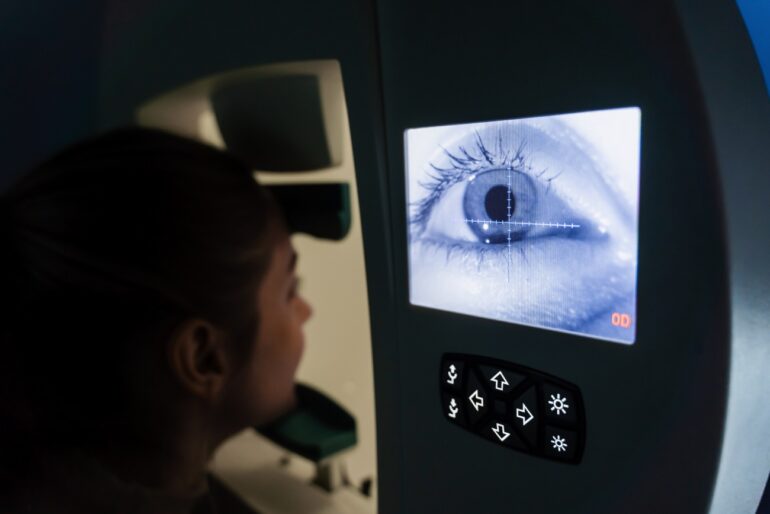
LASIK has been performed worldwide for more than three decades, with a well-documented safety record when patients are properly screened and procedures are performed by qualified specialists.
However, safety is not a single fixed property of the procedure. It depends on candidacy, surgical technique, post-operative care, and the realistic expectations a patient brings to the assessment.
Understanding both the benefits and the potential risks helps patients evaluate whether laser vision correction is appropriate for their eyes.
What LASIK Surgery Aims to Achieve
LASIK (Laser-Assisted In Situ Keratomileusis) reshapes the cornea to correct refractive errors, such as myopia (short-sightedness), hyperopia (long-sightedness), and astigmatism (an uneven curvature of the cornea).
The goal of LASIK eye surgery is to reduce or eliminate the daily reliance on glasses and contact lenses by improving how light focuses onto the retina, enabling long-term vision correction.
However, natural age-related changes like presbyopia (the gradual loss of near-focusing ability from the mid-forties) may still develop, since these changes affect the lens inside the eye rather than the cornea that LASIK reshapes.
Candidacy for LASIK Surgery
Singapore has one of the highest rates of myopia in the world, with approximately 80% of young adults affected according to Singapore National Eye Centre and this figure is projected to rise to 80 to 90% of all adults by 2050. This makes laser vision correction one of the most commonly sought elective procedures.
Hence it’s essential to ensure a patient’s suitability before considering it. LASIK may not be appropriate for everyone and safety begins with a proper candidacy assessment.
The patients who get the best outcomes from LASIK tend to share a few consistent traits typically meet criteria like a stable prescription for at least one to two years, adequate corneal thickness, the absence of certain eye conditions, a healthy tear film, no active ocular disease.
and realistic expectations of the outcome.
Where these conditions are not met, the risk profile changes and patients with the following traits are typically advised not to do LASIK:
- Thin corneas: Insufficient corneal thickness to tolerate the tissue removal involved in reshaping.
- Severe dry eye: Persistent symptoms that are not adequately controlled with treatment. Pre-existing dry eyes may also be aggravated by the procedure.
- Unstable prescriptions: Refractive error that continues to change year on year.
- Certain autoimmune diseases: Conditions that may interfere with healing or surface health.
An ophthalmologist evaluates these factors during a clinical assessment that combines refraction, corneal mapping, tear film evaluation, and a detailed review of eye health and medical history.
This is why the pre-operative assessment at LSC Eye Clinic covers corneal mapping, refraction, tear film evaluation, and a review of your full eye and medical history. The goal is not just to confirm whether LASIK is possible, but whether it is the right procedure for your eyes specifically.
What Is the Best Age to Get LASIK?
Most specialists consider LASIK appropriate for patients aged 18 and above, by which point the glasses and contact lens prescriptions have typically stabilised.
Under 21: Most specialists advise waiting, as prescriptions are still likely to be changing. With an unstable prescription, the procedure may increase the risk of regression where the corrective benefit gradually diminishes over time.
Mid 20s to 40s: Candidates in their mid-twenties to early forties often experience the most durable results, although suitability ultimately depends on individual eye health rather than age alone. For example if prescriptions are typically stable, the cornea may retain good healing capacity, and the natural lens has not yet begun the age-related changes that affect near vision.
Mid-40s and beyond: Candidates around this age may start noticing difficulty with near focus may be better suited to alternatives. ZEISS PRESBYOND® laser blended vision addresses near and intermediate focus alongside distance correction.
General rule of thumb: Age is just one of the many factors that is of consideration, an individual eye’s health is still the most important.
Benefits of LASIK Surgery
For suitable candidates, LASIK offers several practical benefits beyond reduced reliance on glasses and contact lenses.
- Rapid visual recovery: Many patients achieve functional vision within 24 hours of the procedure, with continued refinement over the following days.
- Astigmatism correction: The procedure can potentially help to correct astigmatism alongside myopia or hyperopia in a single treatment.
- Effectiveness across a broad prescription range: LASIK may also be effective for severe cases of myopia, although suitability depends on corneal thickness and overall candidacy.
Are There Any Dangers to LASIK? Understanding Potential Risks
While LASIK is generally considered safe for appropriate candidates, all surgical procedures carry some level of risk. Most side effects after laser vision correction are temporary and resolve as the cornea heals.
However, patients benefit from understanding the full picture before proceeding, including the less common complications.
Dry Eyes - Can it cause dry eyes?
Temporary dryness is common in the first few months after LASIK, as the procedure alters corneal nerves, making the eyes less sensitive and reducing tear production. Most patients experience gradual resolution within weeks or months.
However, those with pre-existing dry eye may experience more prolonged symptoms and should raise this during the suitability assessment, since the clinical findings may favour a different procedure where dryness is more pronounced.
Temporary Vision Disturbances - WIll it affect our night vision?
Glare, halos around lights, and difficulty with night vision can occur during the early healing period. These disturbances typically improve as the cornea stabilises over the first few months.
Persistent visual disturbances are uncommon, although they may occur in a small percentage of patients, particularly those with larger pupils or higher pre-operative prescriptions.
Undercorrection and Overcorrection
In some cases, LASIK may not deliver the exact outcome that was targeted.
Undercorrection refers to a residual refractive error remaining after the procedure, where the eye retains some of its original short-sightedness or astigmatism. Overcorrection is the opposite, where the refractive change moves past the target in the other direction.
In either case, the continued use of glasses or contact lenses may be necessary. In some patients, an enhancement procedure can be considered once the cornea has stabilised.
Regression - Can our vision worsen again after LASIK?
Regression describes a gradual return of some refractive error over time, particularly in patients who started with higher pre-operative prescriptions. The effect is typically mild and may not require retreatment.
For patients where regression begins to affect functional vision, enhancement procedures remain an option once the prescription has stabilised.
Infections and Inflammation
Post-operative infections are rare when patients follow the prescribed medication protocols and attend the scheduled follow-up appointments.
That said, mild inflammation is a normal part of the healing response and can be managed with anti-inflammatory eye drops as directed by the surgeon. Patients are advised to report any persistent redness, pain, or sudden vision change promptly.
Corneal Ectasia
Corneal ectasia is a rare but serious complication where the cornea becomes progressively thinner and bulges forward over time, which can degrade vision.
As such, a thorough pre-operative screening, including corneal thickness measurement and topography (a detailed map of the corneal surface), is essential to identify patients for whom LASIK may not be safe.
Making an Informed Decision About LASIK Safety
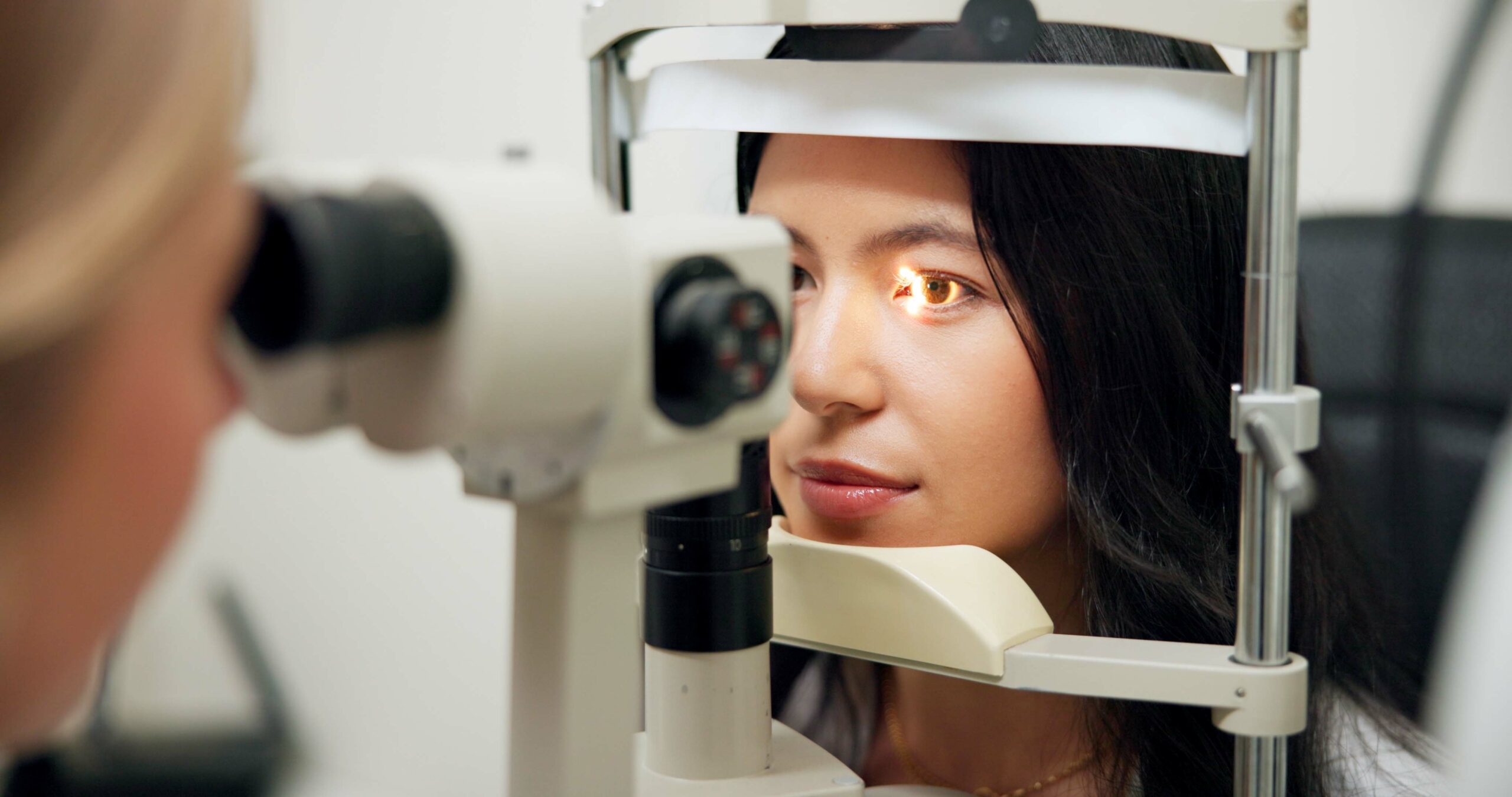
Whether LASIK is considered safe or not rests on appropriate candidate selection, an experienced surgical team, and realistic patient expectations. At LSC Eye Clinic, we review these during the LASIK assessment, alongside the patient’s lifestyle and visual demands.
For patients who do not meet the criteria for LASIK, we also offer alternatives like ZEISS SMILE® pro 2.0 and surface ablation procedures like TransPRK. Based on your suitability assessment, you can find the option that best fits your eyes.
If you are considering laser vision correction and would like a clearer sense of your suitability, book an appointment at LSC Eye Clinic. Our team will guide you through the relevant tests, review your eye health, and discuss the options suited to your eyes.
Citations & References:
- American Academy of Ophthalmology. LASIK. Available at: https://www.aao.org/eye-health/treatments/lasik
- Associates in Ophthalmology. What Is the Best Age to Get LASIK? Available at: https://www.associatesinophthalmology.com/what-is-the-best-age-to-get-lasik/
- Cleveland Clinic. LASIK Eye Surgery. Available at: https://my.clevelandclinic.org/health/treatments/21805-lasik-eye-surgery
- Healthline. Dry Eyes After LASIK: Causes, Symptoms, and Treatment. Available at: https://www.healthline.com/health/dry-eye/dry-eyes-after-lasik
- Healthline. Laser Eye Surgery. Available at: https://www.healthline.com/health/eye-health/laser-eye-surgery
- Mayo Clinic. LASIK Eye Surgery. Available at: https://www.mayoclinic.org/tests-procedures/lasik-eye-surgery/about/pac-20384774
- Singapore National Eye Centre. Refractive Surgery: Audit and Research. Available at: https://www.snec.com.sg/our-specialties/clinical-interests/refractive-surgery/audit-and-research
- Singapore National Eye Centre. Refractive Surgery: Frequently Asked Questions. Available at: https://www.snec.com.sg/our-specialties/clinical-interests/refractive-surgery/faqs
- SingHealth. Presbyopia. Available at: https://www.singhealth.com.sg/symptoms-treatments/presbyopia
- Stuart A. A Look at LASIK Past, Present and Future. EyeNet Magazine, American Academy of Ophthalmology; 2009. Available at: https://www.aao.org/eyenet/article/look-at-lasik-past-present-future
- Singapore National Eye Centre. Myopia Research. Available at: https://www.snec.com.sg/research-innovation/research-groups-platforms/research-groups/myopia
Similar Articles